How To Get Rid of Harvest Mite?
Harvest mites, otherwise known as chiggers, are minute insects that can cause much discomfort to man and animals. These mites are very common during the late summer and early fall, and their bites cause very severe itching and irritated skin. In case you are experiencing a harvest mite problem, then it would do you good to know how to get rid of them effectively. In the present article, we will consider a few ways of eliminating harvest mites and preventing their further invasion.
How To Identify Harvest Mites?
Harvest mites belong to the family Trombiculidae and are largely found in grassy or wooded areas. They are pretty invisible to a naked eye, only about 0.2 millimeters in length. It is the larvae of these mites that is problematic. It burrows into the skin of humans and animals and injects digestive enzymes, which can cause itching and irritation.
Signs of Harvest Mite Infestation

The first thing is to identify the signs of harvest mite infestation:
- Itchy Red Bumps: Small, itchy red bumps, very often in groups, can be a clear sign and symptom of harvest mite bites.
- Skin Irritation: An intense itch and irritation, in particular within areas where the pressure of clothes or folds in the skin exist.
- Pet Scratching: If you find your pets scratching or have red lumps on their bodies, they may be victims of harvest mites.
How To Get Rid of Harvest Mite?
1. Treat Your Yard and Garden
In the yard and garden, it is highly recommended to keep the lawn short by frequent mowing. Not only will this help keep your grass short, but it will also kill off weeds or plants that have grown in the area. Bushes and trees need to be trimmed down to create less shaded areas where the mites will start infesting, and leaf litter and mulch or other debris should be cleaned up from around the yard to stop the mites from hiding and breeding in them.
2. Pesticides
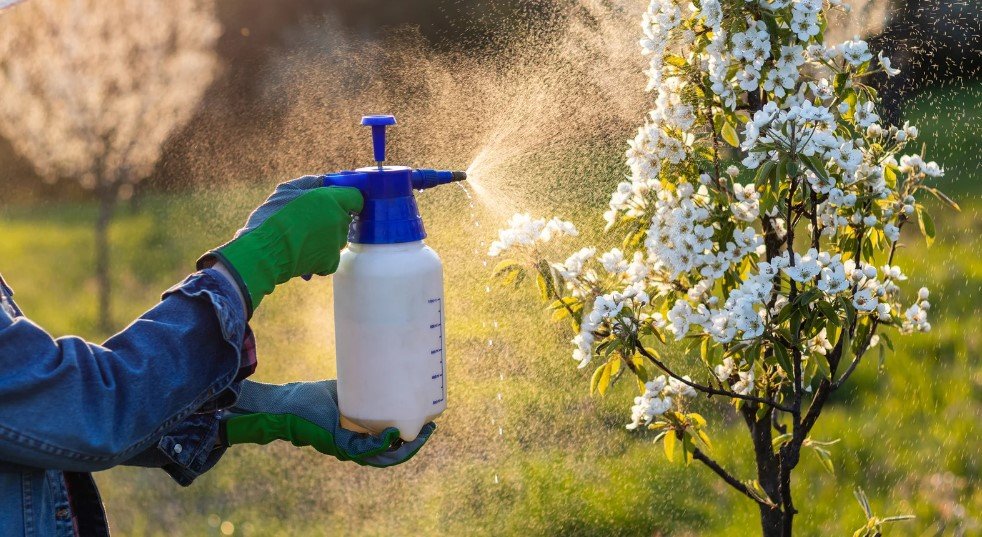
Pesticides effectively control the harvest mites. Insecticidal soaps applied on plants and grass killed the mites. Use permethrin-based products. It is highly effective to be applied in your yard and garden following instructions on the package.
3. Protect Yourself and Your Pets
It is essential to be well-protected and to also protect your pets. Wear long-sleeved shirts, pants, and socks when outdoors in areas where there may be mites. Apply the DEET-based and permethrin-treated insect repellents on your skin and clothes. For your pets, bath them regularly with frequently replaced shampoos that repel mites, and consult your veterinarian for the correct products.
4. Treat Infected Areas
In case you or your pets have contacts with the harvest mites, apply some first-aid measures. Clean the areas with soap and water to remove any remaining harvest mites. This will help to lessen the tendency of infection. Apply over-the-counter creams for itching or calamine lotion to reduce itching or irritation. If the itching continues or shows signs of infection, seek the attention of a doctor for proper treatment.
Conclusion
It can be tricky to cope with harvest mites, but with the right approach, one shall eliminate the problem and avoid future issues. Maintaining a clean yard with spraying pesticides and protecting oneself and pets will reduce the chances of harvest mite bites. With proper precautions taken, one can comfortably enjoy the outdoors without discomfort. If the problem persists, then consult a professional pest control service in London for further guidance on how to eliminate with harvest mites.