How to Get Rid of Banded Woolly Bear?
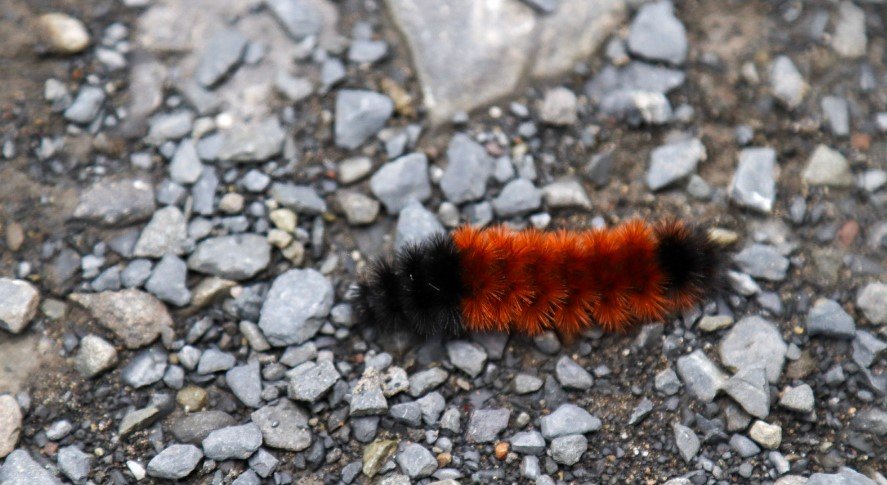
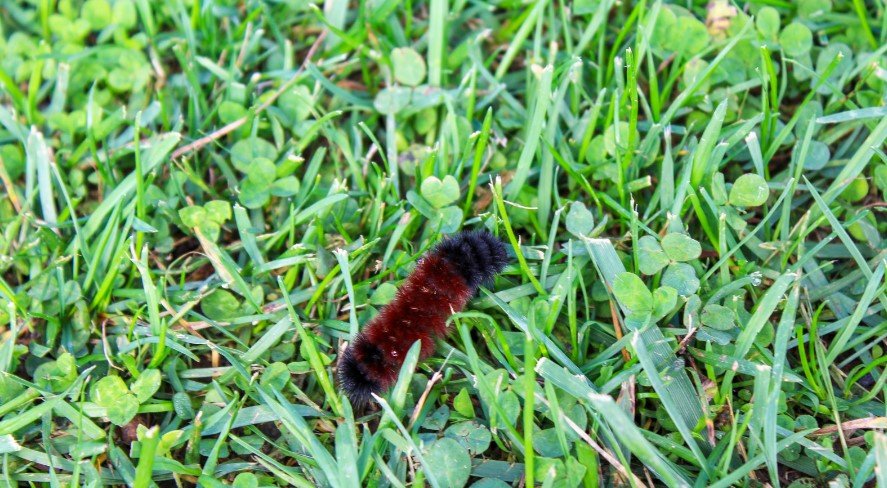
The banded woolly bear, also known as the woolly bear caterpillar, is a common pest found in many gardens and yards. These caterpillars are the larvae of the Isabella tiger moth and are known for their distinctive appearance, with black bands at both ends of their body and a reddish-brown band in the middle. In this article, we will explain how to get rid of banded woolly bear and the preventive measures for that insect.
Signs of Banded Woolly Bear
We can easily spot the infestation of a banded woolly bear with some indications. Those are,
- Chewed leaves and stems: Banded Woolly Bears feed on plant foliage, leaving behind jagged edges or holes in the leaves.
- Presence of caterpillars: You may spot the black and orange striped Banded Woolly Bear caterpillars crawling on your plants.
- Droppings: Look for small black pellets or droppings near the affected plants, indicating the presence of these pests.
- Damage to plant growth: If you notice stunted growth or wilting in your plants, it could be a result of Banded Woolly Bear feeding on them.
- Eggs: Keep an eye out for clusters of yellowish eggs laid by Banded Woolly Bears on the underside of leaves or along stems.
Now that you know the indications of a banded woolly bear infestation, let’s examine the methods for effectively getting rid of them.
How to Get Rid of Banded Woolly Bear?
With the proper pest control methods, we can eliminate this pest and save our plants and their leaves.
- Manual removal: Handpick the caterpillars from your plants and dispose of them in a bucket of soapy water.
- Neem oil spray: Mix neem oil with water and spray it on your plants to deter Banded Woolly Bears.
- Diatomaceous earth: Sprinkle food-grade diatomaceous earth around the base of your plants as a natural barrier against these pests.
- Organic insecticides: To control banded woolly bears without harming beneficial insects, use organic products like insecticidal soap or Bacillus thuringiensis (BT).
With these simple methods, we can easily control the infestations of banded woolly bears in our garden.
Preventive Measures
If you don’t already have an pest infestation, it’s fine to take preventive measures to control their presence ahead of time. With the right preventive measures, we can do that. Those preventive measures are,
- Inspect plants regularly: Keep an eye out for any signs of Banded Woolly Bear infestation, such as chewed leaves or droppings.
- Remove debris: Clean up fallen leaves, branches, and weeds where these pests can hide and lay eggs.
- Introduce beneficial insects: Encourage natural predators like ladybugs and parasitic wasps that can help control the Banded Woolly Bear population.
Conclusion
With the right preventative measures and pest control methods, we can effectively eliminate Banded Woolly Bears from your garden and protect your plants from further damage. If these DIY methods are not working, you can always call a pest control company in London. They have the experience and trained personnel to control banded woolly bears.