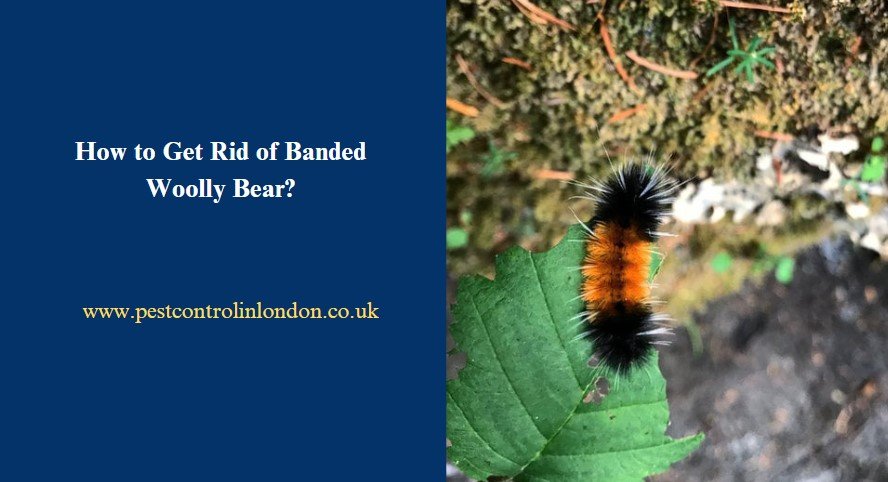
How to Get Rid of Cockchafers?
Cockchafers, also known as May bugs, are large beetles that can become a nuisance in gardens and homes, especially during the warmer months. While they are not dangerous to humans, their presence can cause significant damage to plants and lawns. In this guide, we’ll cover how to identify these pests and effective methods for getting rid of them.
How to Identify Cockchafers?

Cockchafers are relatively easy to identify due to their size and distinctive features. Here are some key characteristics to look out for:
- Size and Appearance: Adult cockchafers are about 25-30 mm long, with a robust body that is reddish-brown. They have black heads and distinctive fan-like antennae.
- Lifecycle: Cockchafers have a three-year lifecycle, with the larvae (known as white grubs) spending most of their lives underground, feeding on plant roots.
- Active Period: These beetles are usually active during late spring to early summer, particularly in May, which is why they are often referred to as May bugs.
- Nocturnal Behavior: Cockchafers are attracted to lights at night, making them more visible during the evening.
Recognizing these signs will help you take the necessary steps to control and prevent an infestation.
How to Get Rid of Cockchafers?

Getting rid of cockchafers requires a combination of preventive measures and direct control methods. Here’s how you can effectively manage these pests:
- Physical Removal: One of the simplest ways to reduce the number of cockchafers is to manually remove them. Since they are attracted to light, you can set up a light trap at night and collect them for disposal in the morning.
- Protecting Plants: To protect your garden from cockchafers, cover plants with fine mesh or fleece to prevent adult beetles from laying eggs in the soil. This is particularly important during the beetles’ active season.
- Soil Treatment: The larvae of cockchafers, known as white grubs, can cause significant damage to lawns and crops. To control them, consider using nematodes, which are microscopic worms that target and kill the larvae without harming plants. Apply nematodes to your soil in the spring or autumn when the larvae are most active.
- Natural Predators: Encourage natural predators like birds, hedgehogs, and other wildlife to your garden. These animals feed on both adult cockchafers and their larvae, helping to keep their population in check.
- Insecticides: If the infestation is severe, you might need to use chemical insecticides specifically designed to target beetles and their larvae. Always follow the manufacturer’s instructions carefully to avoid harming beneficial insects and plants.
Conclusion
Cockchafers can be a persistent pest, but with the right approach, you can protect your garden and home from their damaging effects. By identifying these beetles early and implementing both preventive and control measures, you can effectively manage their population and minimize their impact on your outdoor spaces. If these DIY methods do not work, then contact pest control services in London; they have the experts and the right tools to eliminate this kind of pests.