How to Get Rid of Damselfly?
Damselflies, with their delicate wings and striking colors, are beautiful insects commonly found near bodies of water. While they are harmless to humans and actually beneficial for controlling other pest populations, they can become a nuisance when their numbers multiply. In this blog post, we will explore effective ways to get rid of damselflies without harming the environment.
How to Identify Damselflies?
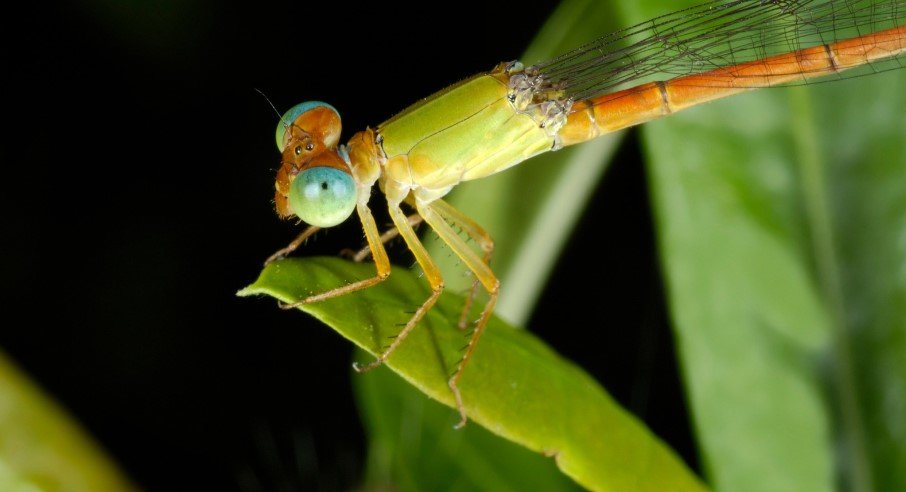
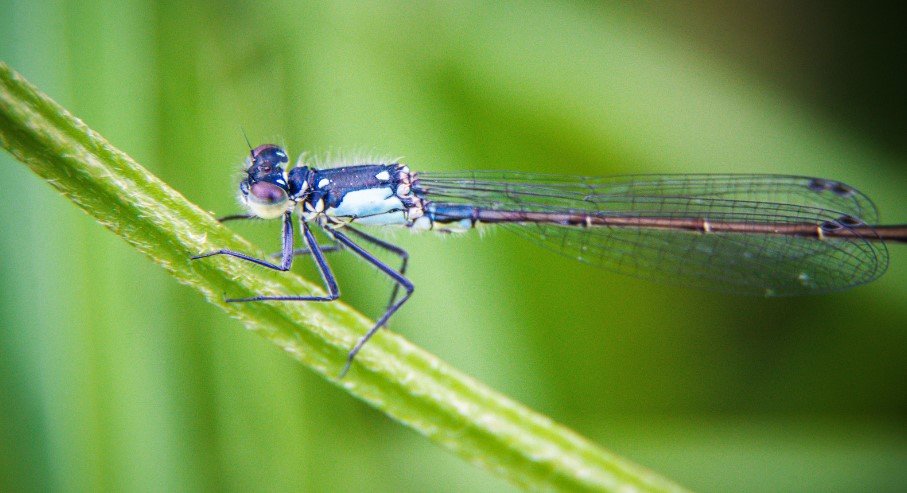
Before getting into pest control methods for controlling damselflies, it’s essential to properly identify damselflies. These insects are similar to dragonflies but are typically smaller and have slimmer bodies. Damselflies are known for their vibrant colors and delicate wings. While they are beneficial predators in the ecosystem, their presence in large numbers can disrupt the balance in your garden or home.
Now that you guys know how to identify the damselfly and what it looks like. So, let’s get into the actual topic of what you come here to know like the process and steps to get rid of damselflies in your garden and home space.
How to Get Rid of Damselfly?
There are various methods to get rid of the damselfly from personal space or your home garden. Let’s see what are the methods are there to get rid of those damselflies. Those methods are,
- Using natural predators
- Using traps
- Using biological control agents
- Using Chemical control methods
Natural Predators Method
Nature often provides its own solutions to pest problems. Introducing natural predators of damselflies can help keep their population in check. Fish such as goldfish, koi, or mosquito fish are voracious consumers of damselfly larvae. Adding these fish to your pond or water garden can help control damselfly populations naturally.
Traps for Damselflies
Trap methods can also be effective in reducing damselfly populations. Installing fine mesh screens or nets over ponds or water features can prevent adult damselflies from laying their eggs. Additionally, using a skimmer or vacuum to remove larvae and nymphs from water surfaces can help disrupt their life cycle.
Biological Control Methods
Biological control involves using Bacillus thuringiensis israelensis (Bti), a bacterium that targets damselfly larvae specifically. These methods are environmentally friendly, posing minimal risk to non-target organisms and ecosystems.
Biological control agents offer sustainable and long-term solutions to pest problems, reducing reliance on chemical pesticides. By harnessing the power of nature, we can achieve effective pest management while preserving the balance of our environment.
Chemical Control Methods
Chemical pesticides should be considered as a last resort due to their potential impact on non-target organisms and the environment. If other methods have proven ineffective, consult with a professional pest control service to determine the most appropriate chemical control strategy. Always follow label instructions carefully and use pesticides responsibly.
Conclusion
Dealing with a damselfly infestation can be challenging, but with the right strategies and preventive measures, you can successfully manage these pests and restore peace to your home or garden. If none of the DIY methods work, go for pest control services in London. With the professionals like them, you can say goodbye to damselflies and enjoy a pest-free environment.